Quality control of structures
and welds – NDT testing
We perform visual, penetrant, magnetic particle, eddy current and ultrasonic testing, including advanced techniques.




What is NDT testing
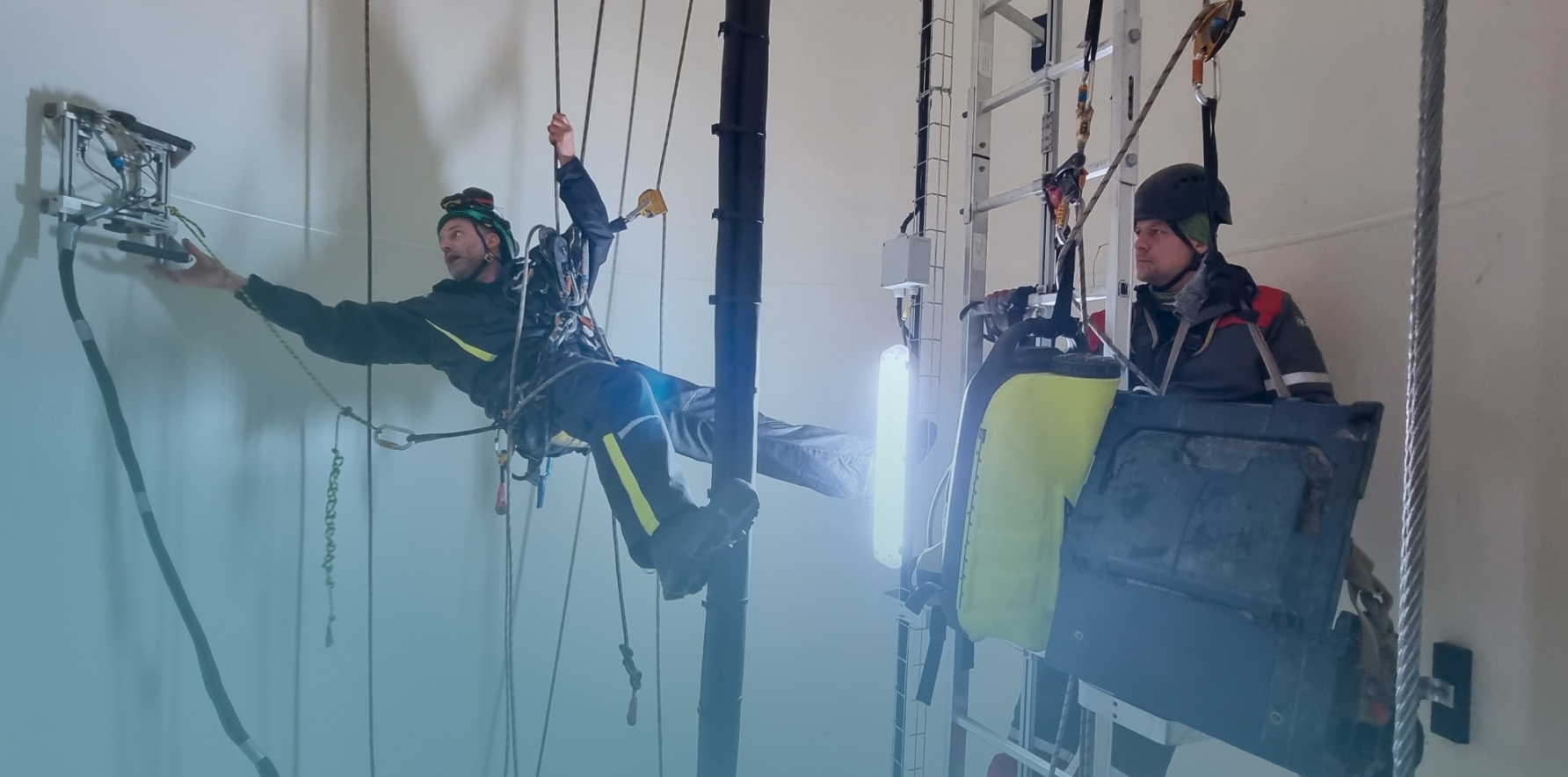
Non-destructive testing (NDT) enables assessment of the technical condition of components and structures without interfering with their structure. It is used in industry wherever safety, durability and compliance with technical requirements are of key importance.
NDT methods make it possible to detect material discontinuities, cracks, welding imperfections and other defects that may affect the operation of industrial facilities.
Why choose our services?

mobilization

equipped
specialist

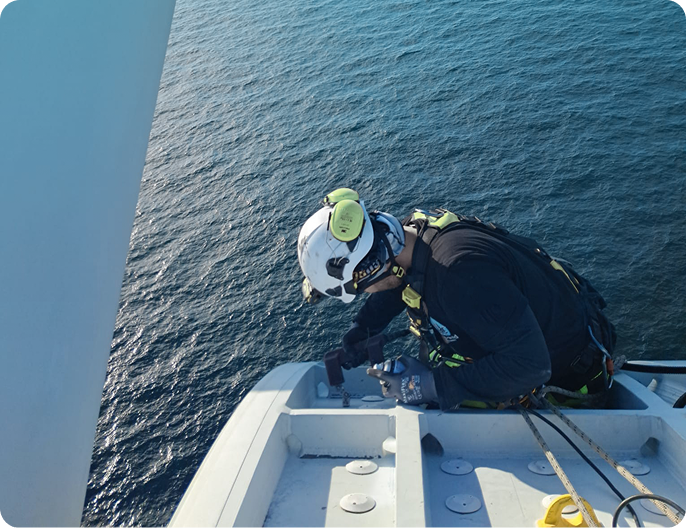
using rope
access

report
included

certified contractor
Testing methods
testing
We perform non-destructive testing using proven and commonly applied diagnostic methods
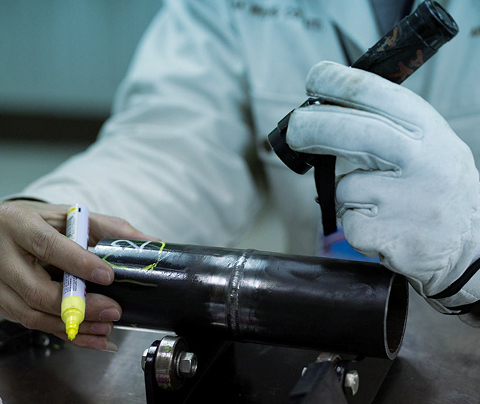
VT - Visual testing
A basic quality control method enabling the identification of surface imperfections and assessment of the condition of structural components.
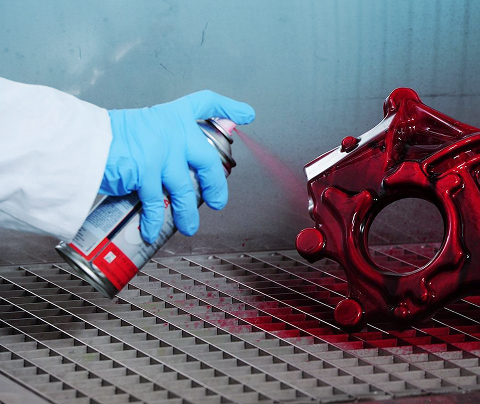
PT – Penetrant testing
A method for detecting surface discontinuities in non-porous materials.
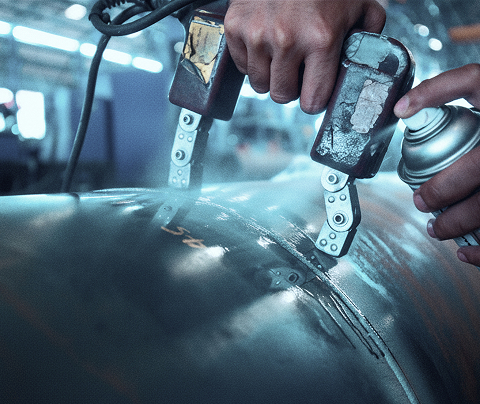
MT – Magnetic particle testing
Used to detect surface and subsurface discontinuities in ferromagnetic materials.
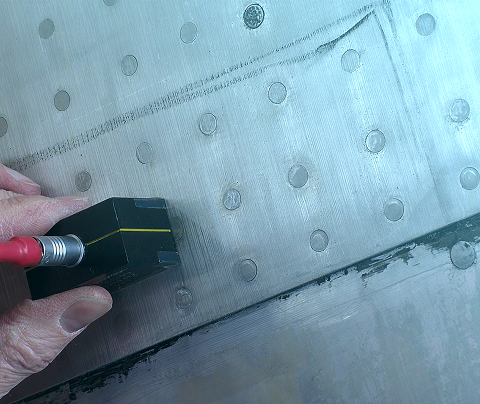
ET – Eddy current testing
A method enabling the assessment of material condition and the detection of discontinuities directly below the surface.
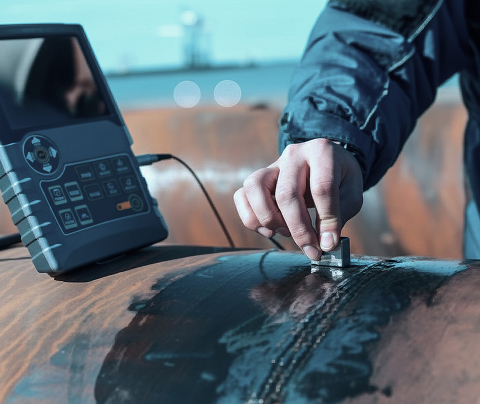
UT – Ultrasonic testing
A precise volumetric method enabling the assessment of weld quality and structural components.
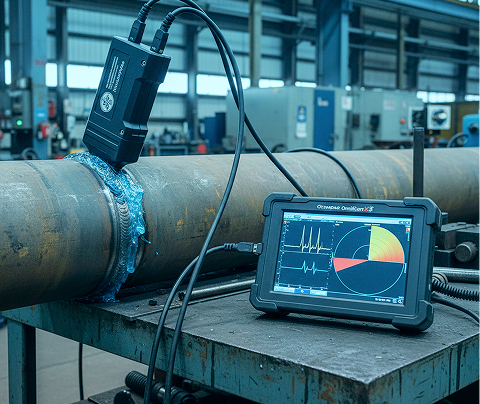
UT TOFD / PA – Advanced techniques
Advanced ultrasonic methods used in demanding industrial projects.

Why NDT Power Tech


methods and equipment

availability
Cooperation with ALPINWELD – a certified contractor experienced in welding and anti-corrosion coatings
our services to?
We support industrial entities in quality control and technical diagnostics of structural components, installations and industrial equipment.
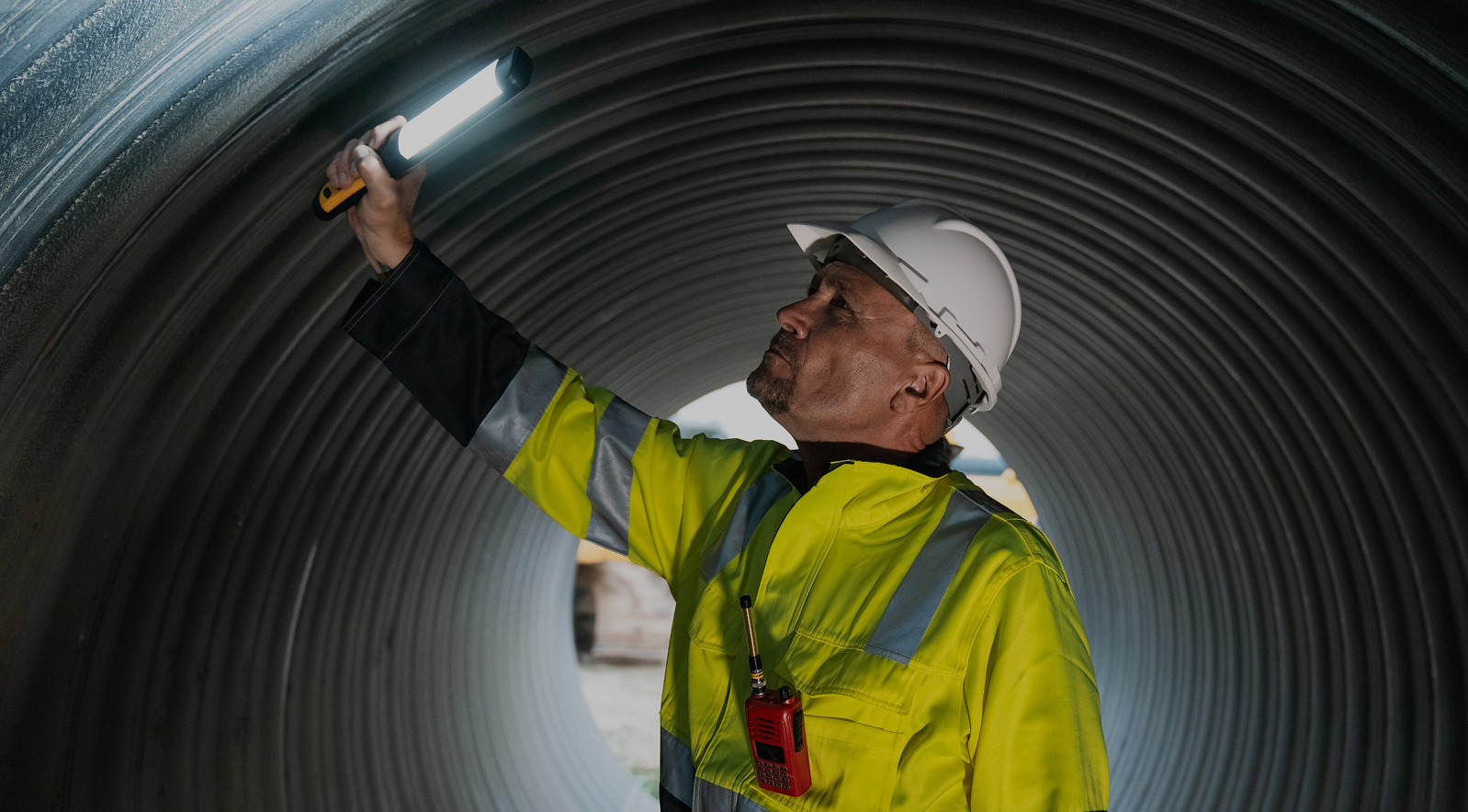
industry
Non-destructive testing (NDT) in the power industry comprises key diagnostic techniques that make it possible to assess the technical condition of installations (e.g. pipelines, turbines, boilers) without damaging them. It enables the detection of material defects and corrosion, ensuring safety and preventing failures.
Key inspection areas: process and steam pipelines, power boilers, pressure and storage vessels, turbines, generators and rotating equipment, heat exchangers, steel structures, welded joints,
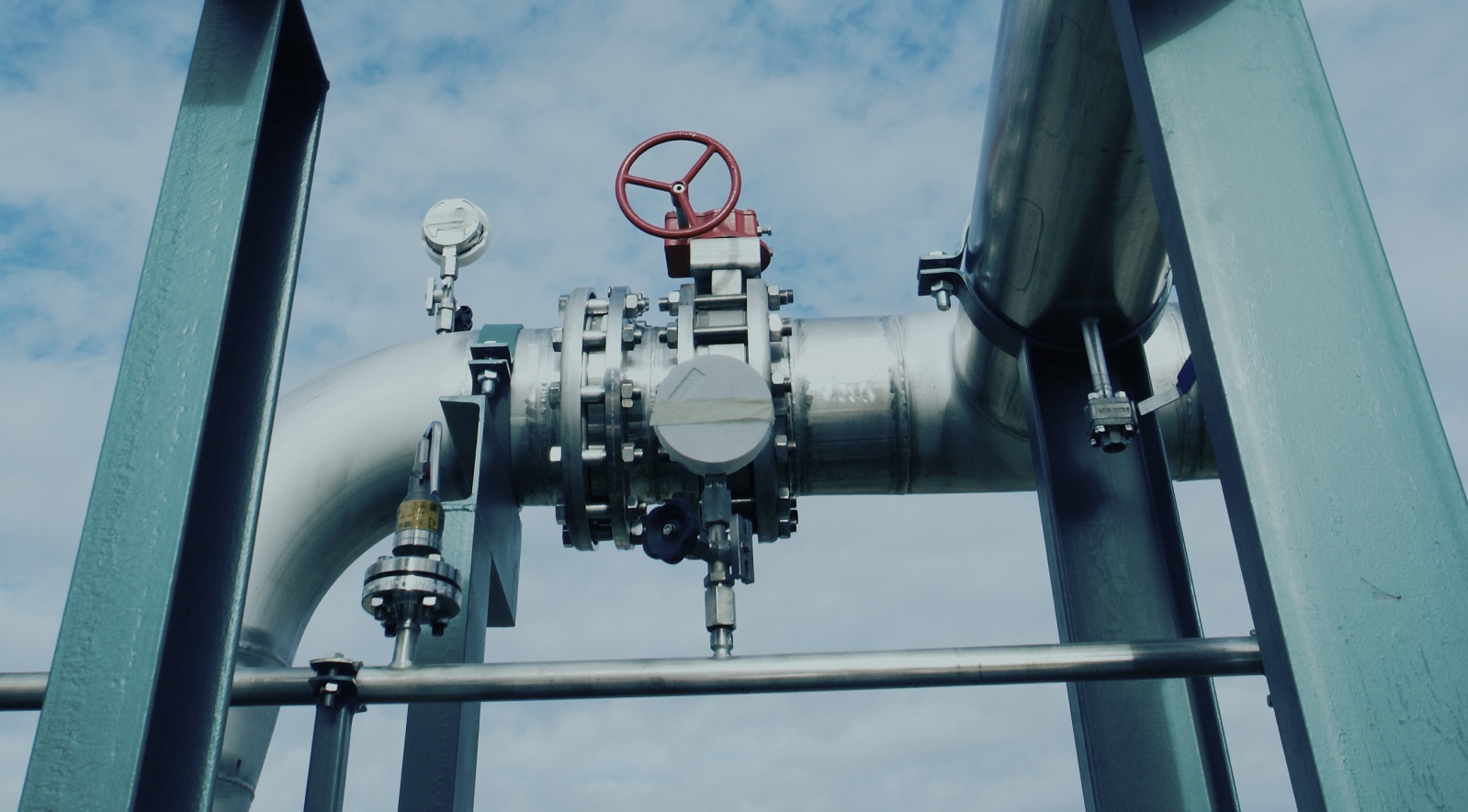
industry
NDT testing is a key inspection procedure in the petrochemical industry. It makes it possible to detect material defects (e.g. cracks, corrosion, thickness loss) in pipelines, pressure vessels and reactors without compromising their structure, ensuring production continuity and safety.
Key inspection areas: Refinery installations and process pipelines, storage and pressure vessels, heat exchangers and reactors
prefabrication
NDT testing in steel product prefabrication is a key element of quality control that makes it possible to detect material and welding defects without compromising the structure of the product. It ensures compliance with standards (e.g. EN 1090) and structural safety.
Key inspection areas:
- Base materials – inspection of plates, pipes, sections, castings and forgings for material defects as well as internal and surface discontinuities.
- Welded joints – detection of cracks, incomplete penetration, lack of fusion, porosity, inclusions and other welding imperfections.
- Load-bearing structures and steel prefabricated components – quality control of beams, columns, trusses, frames and other structural elements.
- Tubular and pressure components – weld inspection and wall thickness measurements of components intended for pressure service.
- Components after mechanical processing – assessment of components after bending, rolling, cutting or heat treatment for cracking and deformation.
- Products before acceptance and shipment – final quality control confirming compliance of workmanship with technical documentation, client requirements and applicable standards.
installations
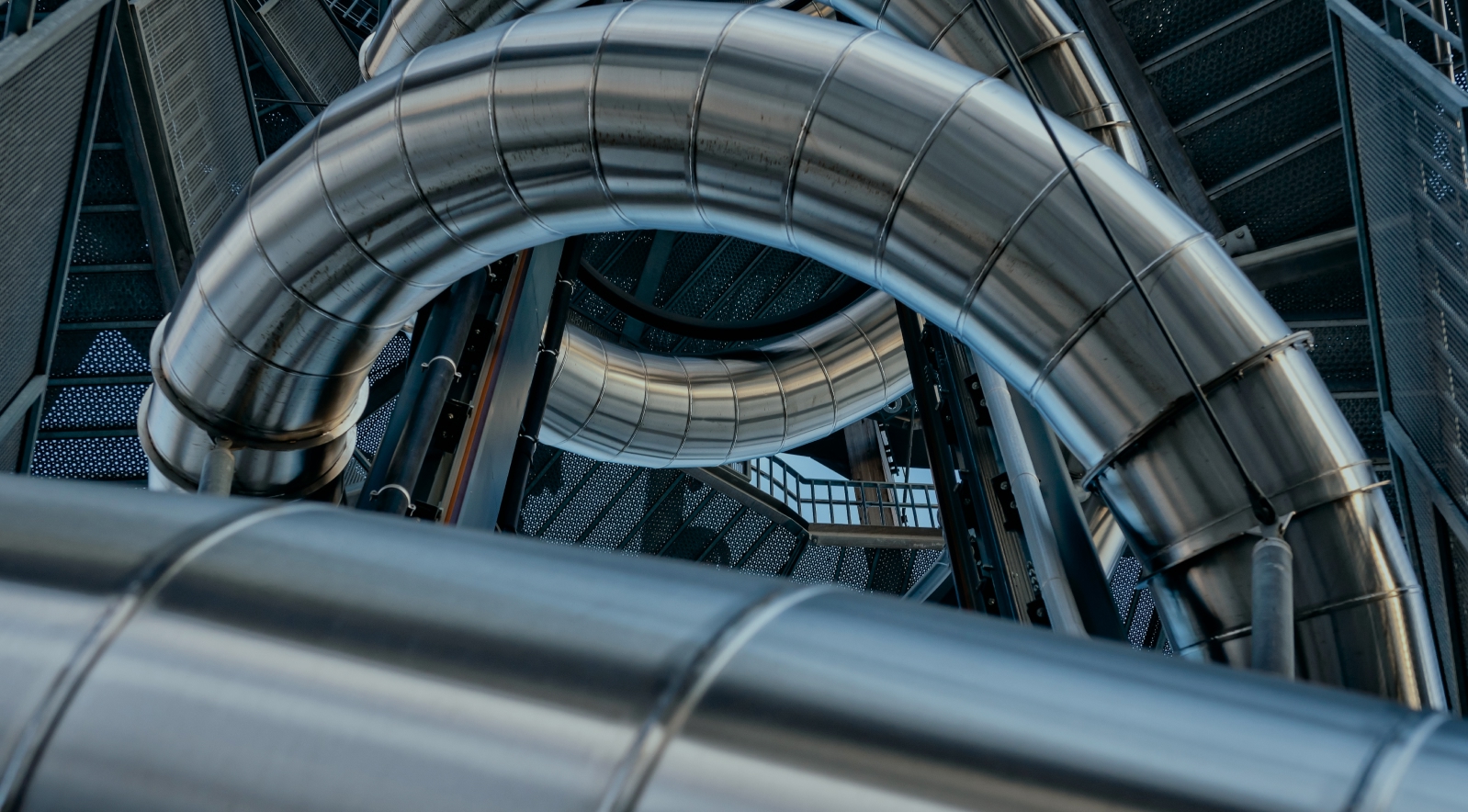
NDT testing during the assembly of industrial installations is a key quality control procedure. It enables the assessment of welds, pipelines and tanks without compromising their structure. It is essential for ensuring the tightness and safety of industrial installations and meeting the stringent requirements of the Office of Technical Inspection (UDT).
Key inspection areas: welded joints in process pipelines, process and transmission pipelines, pressure and process vessels, support and steel structures, process equipment and heat exchangers, components installed on site, installations before final acceptance

and modernization
NDT testing in maintenance and modernization is the key to detecting material defects (e.g. cracks, corrosion) without damaging the structure. In maintenance, it prevents failures and downtime, while during modernization it verifies the condition of worn installations and the quality of new welds, ensuring safety and compliance with Office of Technical Inspection standards.
Key inspection areas: welded joints, pipelines and process installations, pressure and atmospheric vessels, steel structures, machine and equipment components, heat exchangers and boilers, power and petrochemical installations, components after modernization or repair.
News
We publish information on completed projects, testing methods and issues related to quality control in industry.

Projects
We publish information on completed projects, testing methods and issues related to quality control in industry.


Do you need NDT testing for your project
or industrial installation?
Contact us to discuss the scope of work and prepare an offer.

the details.